
"each tree"
10000 article(s) found

Colombia Coffee Region Flavor Taste Introduction Lazmus Manor
Colombia coffee varieties are mainly small coffee. Plants are small trees or large shrubs, 5-8 meters high, usually multi-branched at the base; old branches are gray, nodes expand, young branches glabrous, compressed. Leaves thinly leathery, ovate-lanceolate or lanceolate, 6-14 cm long, 3. 5 -5 cm wide, apex long acuminate, acuminate part 10-15 mm long, base cuneate or slightly obtuse, rarely rounded, entire or rounded

Coffee trees-production conditions the planting conditions of coffee trees
The first flowering period of the coffee tree is about three years old. the five-petal tube-shaped white flowers are filled with a faint scent of jasmine and the inflorescences are arranged in dense clusters. Flowers wither after two or three days of blooming and begin to bear fruit after a few months. The fruit is a drupe with a diameter of about 1.5 cm. It is green at first, then turns yellow gradually, turns red when ripe, and is very similar to cherries.

Introduction of Columbia Coffee Arabica Coffee Flavor description method Grinding scale Manor area
Colombian Coffee Arabica Coffee Flavor description method Grinding scale Manor area introduction the varieties of Colombian coffee are mainly small-grain coffee. Plants are small trees or large shrubs, 5-8 m tall, usually much branched at base; old branches gray-white, nodes dilated, young branches glabrous, compressed. Leaves thinly leathery, ovate-lanceolate or lanceolate, 6-14 cm long, 3.5-5 cm wide, tip

Introduction of Indonesian Coffee Flavor with Sweet Fruit introduction to Kahayang Gan Manor
Shade planting: there are shade tree species in the coffee garden, such as orange tree, avocado tree, banana tree, papaya tree, pineapple tree and several local flowers and herbs. Harvest time: raw beans in December, January and February each year. Appearance: emerald green grade: 18, 19 mesh plus average annual temperature: 25 C (daily temperature difference is about 10 C) annual rainfall: 2700 mm, volcanic ash porous water seepage geological treatment method: washing and drying

Colombian Coffee Flavor Manor introduction to Lazmus Manor
The main varieties of Colombian coffee are small grains of coffee. Plants are small trees or large shrubs, 5-8 m tall, usually much branched at base; old branches gray-white, nodes dilated, young branches glabrous, compressed. Leaves thinly leathery, ovate-lanceolate or lanceolate, 6-14 cm long and 3.5-5 cm wide, tip long acuminate, acuminate part 10-15 mm long, base cuneate or slightly obtuse, rarely rounded, entire or

How much do you know about coffee trees?
In botany, coffee trees belong to the evergreen trees of the subgenus Rubiaceae, and coffee beans, commonly known as coffee beans, are actually the seeds of the fruit of coffee trees. They are called coffee beans only because they are shaped like beans. Climate is the decisive factor for coffee cultivation. Coffee trees are only suitable for growing in the tropics or subtropics, so the zone between latitude 25 degrees south and north is generally called coffee belt or coffee.

How much do you know about coffee trees?
In botany, coffee trees belong to the evergreen trees of the subgenus Rubiaceae, and coffee beans, commonly known as coffee beans, are actually the seeds of the fruit of coffee trees. They are called coffee beans only because they are shaped like beans. Climate is the decisive factor for coffee cultivation. Coffee trees are only suitable for growing in the tropics or subtropics, so the zone between latitude 25 degrees south and north is generally called coffee belt or coffee.
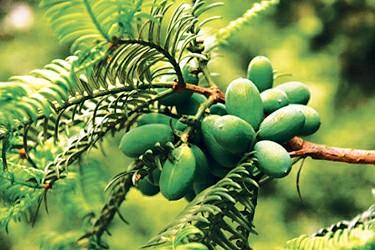
The planting conditions of coffee trees what kind of geographical environment is conducive to coffee planting and the introduction of coffee trees
Coffee tree coffee (Xoffea arabica Linn) coffee is a perennial evergreen shrub or small tree of Rubiaceae. It is a horticultural perennial cash crop with the characteristics of fast growth, high yield, high value and wide market. Wild coffee trees can grow to 5 to 10 meters high, but coffee trees planted on manors are often cut to less than 2 meters in order to increase fruit and facilitate harvesting.
Explain the knowledge of coffee beans for you.
Small and round dark brown coffee beans, quietly emitting a fragrant fragrance in the grinder, injected into the cup showing the beautiful color of amber, these are the three very deep impressions of coffee.
Sharing of planting techniques of Coffee trees
1. Cultivate strong coffee seedlings. 1. the choice of nursery land is close to water source, convenient for transportation, loam or sandy loam with loose and fertile soil, deep soil layer and good drainage, paddy field with PH value of 66.5 or early nursery land, and close to coffee garden. Turn over the depth of the ground by 0.200. 30 meters, after hoing and removing stones, the ridge soil moisture is 1.01.2 meters wide. 2 meters, about 10 meters long, and apply rotten and finely crushed soil moisture

Fine Coffee the planting requirements and conditions of Coffee trees
The origin of the coffee tree is Ethiopia in Africa. In botany, coffee trees belong to the evergreen trees of the subgenus Rubiaceae, and coffee beans, commonly known as coffee beans, are actually the seeds of the fruit of coffee trees. They are called coffee beans only because they are shaped like beans. Climate is the decisive factor for coffee cultivation. Coffee trees are only suitable for growing in the tropics or subtropics, so latitude 25 degrees south and north.

Introduction to the taste of grinding scale varieties by describing the characteristic flavor of Colombian coffee
Colombian coffee characteristic flavor description method grinding scale variety taste introduction Colombian coffee beans mature in the coffee world will have the reputation of flawless and elegant as jadeite in the jade world, with heavy particles, rich nutrition, rich flavor, soft taste, smooth taste and excellent balance; the color is as clear and transparent as emerald emerald; until

Colombian Coffee and soft Nalinglong Coffee can be sold in Guangzhou
Professional coffee knowledge exchange more information about coffee beans Please follow the coffee workshop (Wechat official account cafe_style) the coffee quality produced in the Nalinglong coffee producing area of Colombia was better a few years ago than it is now. Their quality and production efficiency declined due to excessive exposure to Rain Water and rust. Although the environmental conditions are not perfect, according to the current situation,

Coffee trees-production conditions Coffee pull flowers & #160; pull is not round
1. Planting conditions of coffee trees the ideal planting conditions of coffee trees are as follows: the temperature climate is between 15-25 ℃, and the annual rainfall must reach 1500-2000 mm, and the rainfall time should be in line with the flowering cycle of coffee trees. Of course, in addition to the seasonal rainfall, there should also be fertile soil and good drainage. Fertile soil containing volcanic ash

Flowering and fruiting cycle of Coffee Tree-- introduction to the processing process from Coffee Fruit to Bean
The flowering and fruiting cycle of coffee trees-- an introduction to the processing process from coffee fruit to beans. 1. Dry method: fresh fruit is dried or dried, peel and seed coat are removed by sheller, and impurities are sieved. 2. Wet method: this method is used for mass production. Peel the fresh fruit with a peeling machine, separate the bean grains from the peel, soak the peeled beans in water, wash, dry, and then remove them.

Introduction to the grinding scale for the description of coffee flavor in Honduras
Honduran Coffee the granules of Honduran coffee beans are large in shape, uniform in size and uniform in color. In order to facilitate harvesting, farmers will prune the coffee trees to no more than 150 centimeters, because if they grow too high, they have to set up ladders to pick, which is not only time-consuming, but also may damage the trees by bending branches. As the ripening period of each fruit of coffee bean is different, it should be guaranteed.

Introduction to the Roast degree Manor in the producing area of Colombian Coffee
The pure taste of Colombian coffee comes from Colombia's natural environment with the most favorable conditions for coffee growth. But beyond that, it is inseparable from the hard work of local growers. In Colombia, coffee cultivation has reached 1.07 million hectares, there are about 302000 coffee plantations in the country, and 30 to 40 per cent of the rural population depends directly on coffee production. Columby

Introduction to the quality characteristics of coffee bean flavor description treatment in Honduras, a highland coffee producing country
Honduran coffee beans introduce the granules of Honduran coffee beans are large in shape, uniform in size, uniform in color and glossy. In order to facilitate harvesting, farmers will prune the coffee trees to no more than 150 centimeters, because if they grow too high, they have to set up ladders to pick, which is not only time-consuming, but also may damage the trees by bending branches. Because the ripening period of each fruit of coffee beans is different.
Planting conditions of Coffee trees
The origin of the coffee tree is Ethiopia in Africa. In botany, coffee trees belong to the evergreen trees of the subgenus Rubiaceae, and coffee beans, commonly known as coffee beans, are actually the seeds of the fruit of coffee trees. They are called coffee beans only because they are shaped like beans. Climate is the decisive factor for coffee cultivation. Coffee trees are only suitable for growing in the tropics or subtropics, so latitude 25 degrees south and north.

Colombian Coffee growing Environment Flavor and Taste introduce Fine Coffee
The main varieties of Colombian coffee are small grains of coffee. Plants are small trees or large shrubs, 5-8 m tall, usually much branched at base; old branches gray-white, nodes dilated, young branches glabrous, compressed. Leaves thinly leathery, ovate-lanceolate or lanceolate, 6-14 cm long and 3.5-5 cm wide, tip long acuminate, acuminate part 10-15 mm long, base cuneate or slightly obtuse, rarely rounded, entire or